
Châtillon Power Plant
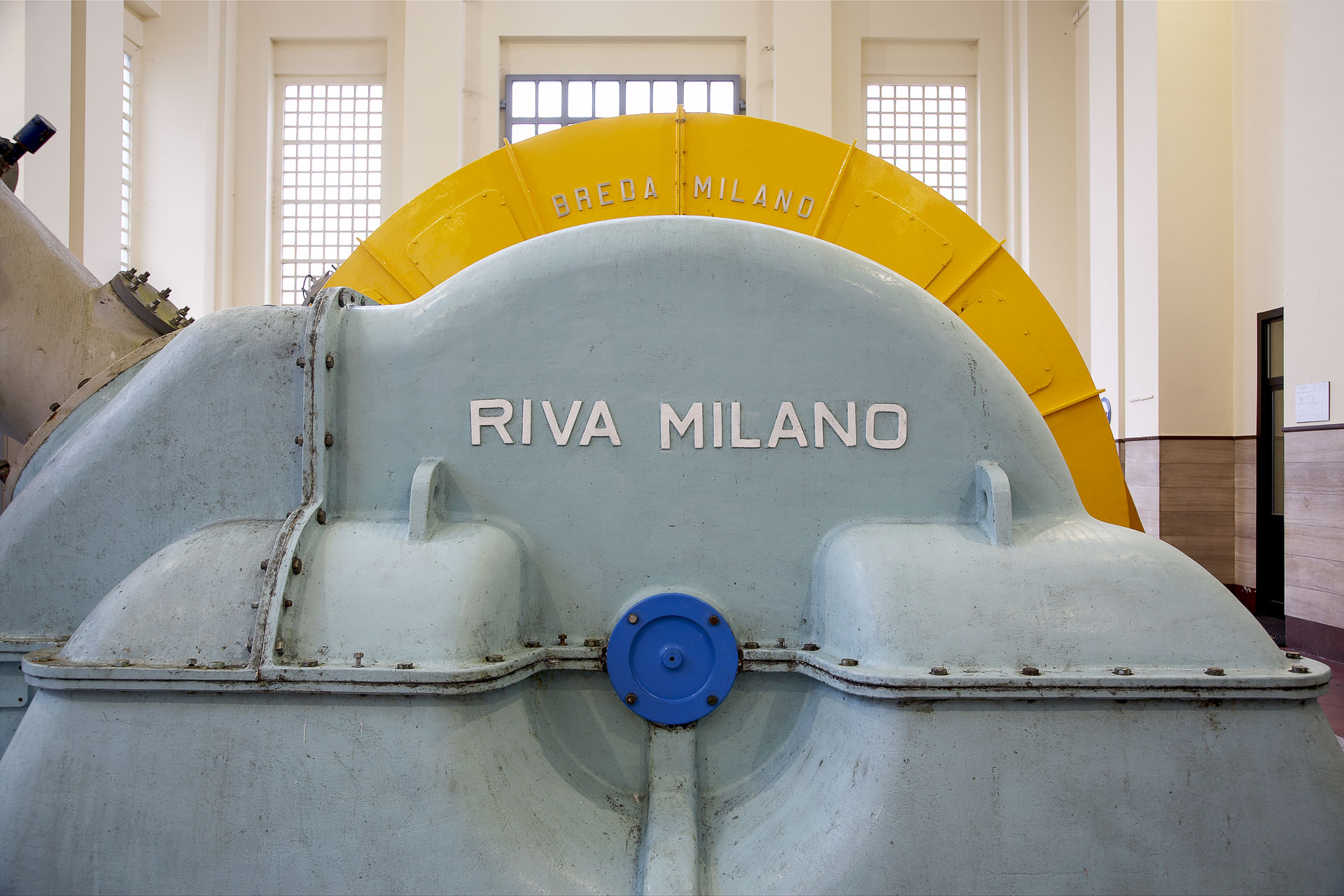
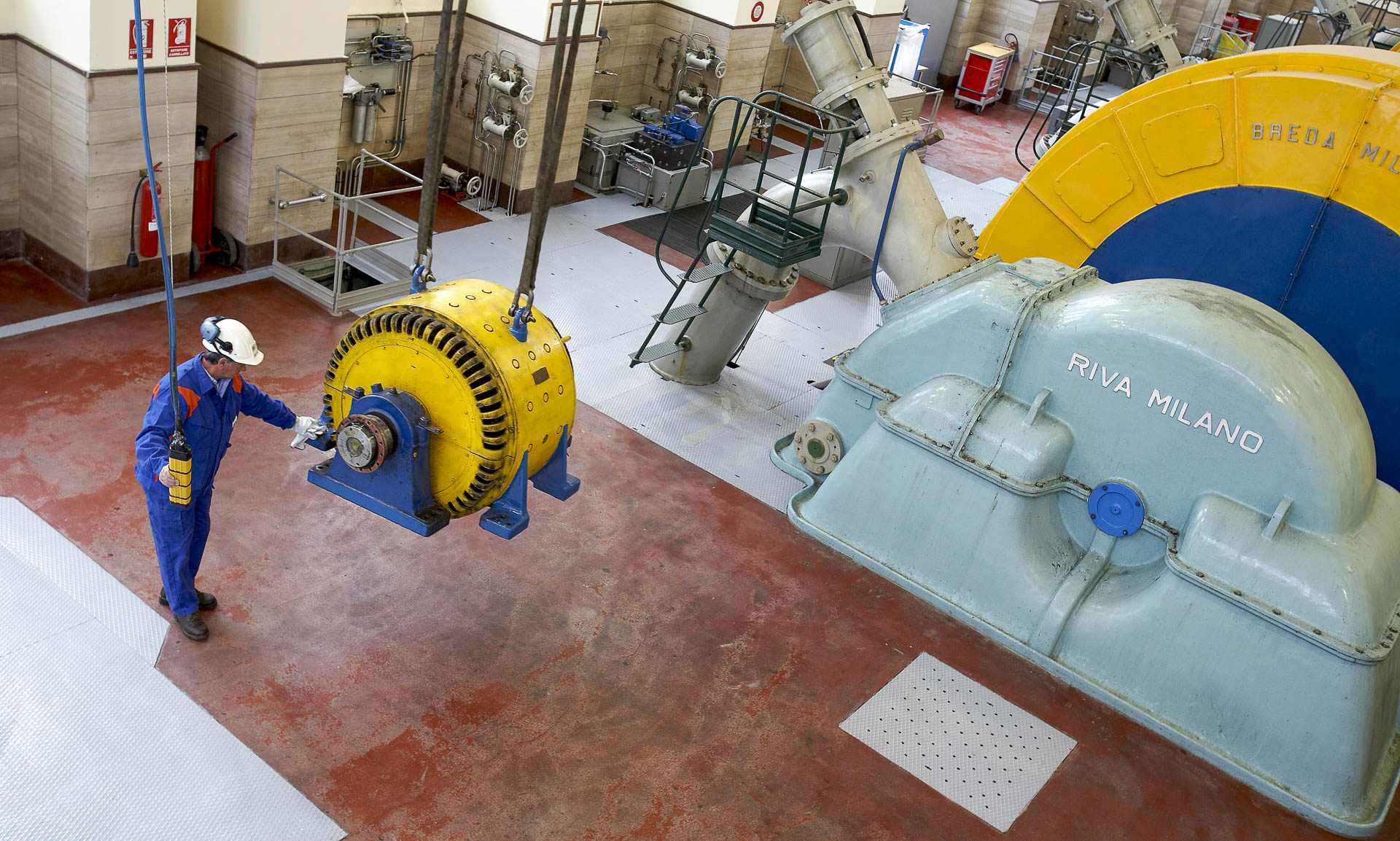
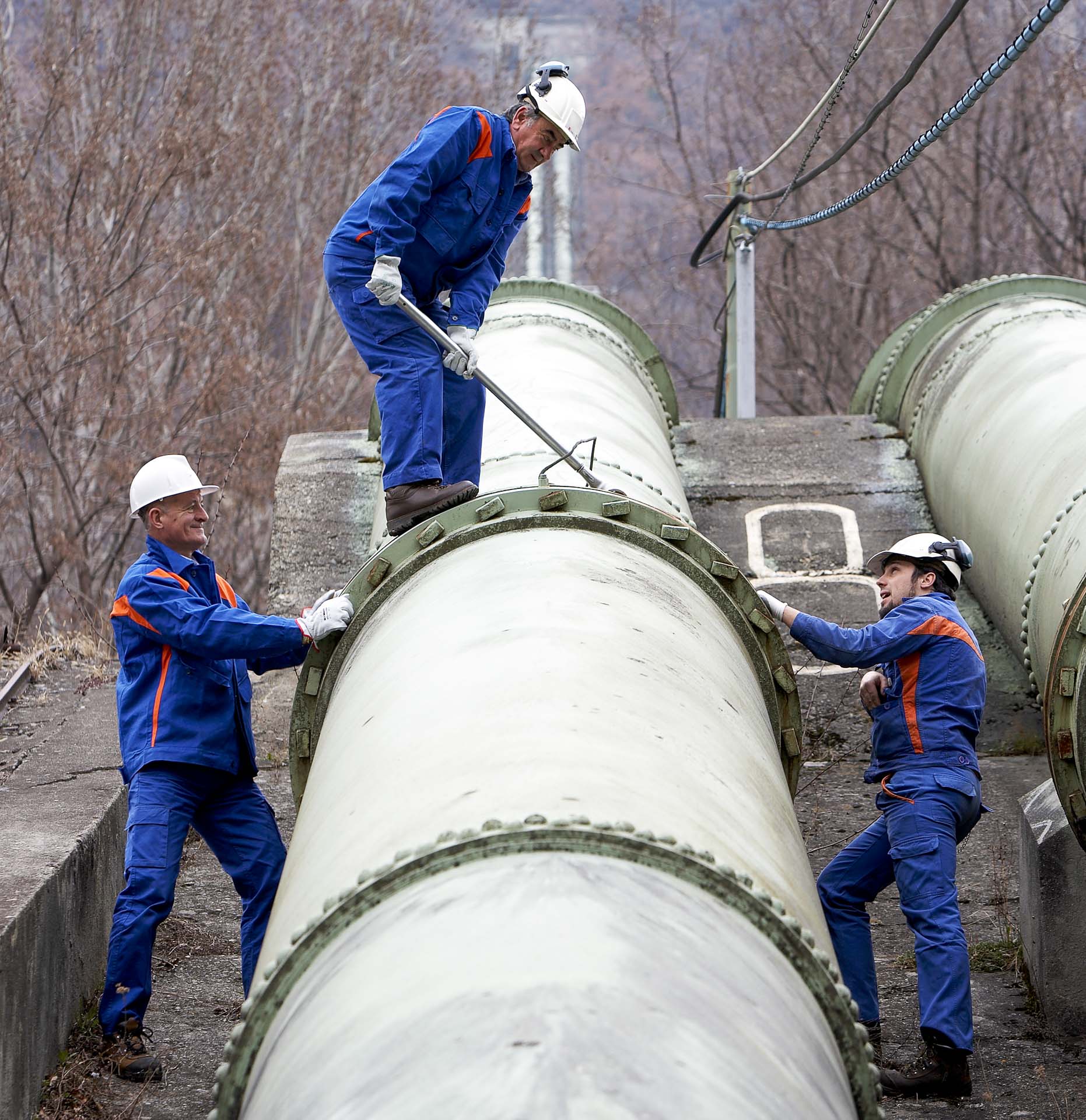
The Châtillon run-of-river hydroelectric power plant, through its pressure tunnel, delivers 12,000 litres/second to the base of the piezometric well located at the mouth of the two penstocks connecting with the water turbines. This enables the production of about 80 GWh/year of 100% renewable hydropower, which is fed into the national 132 kV grid.
At the time of construction, the Châtillon plant was called Castiglione Dora because of the Italianization of Valdostan place names during the years of fascism. A memorial stone beside the entrance has for many years commemorated Benito Mussolini’s laying of the foundation stone when he visited Aosta in May 1939. The architecture of the building, with its simple, square, upward leaning lines, is also reminiscent of the architectural style of the time.
The Châtillon plant went into service in 1940. Adjacent to the important 220/132 kV electrical switching station (now TERNA), it was until 1988 the reference and management point for hydroelectric plants in the Aosta Valley, which at that time were automated and telecontrolled.
Characteristics of the plant
Key information
Municipality: Châtillon (AO)
Commissioning: year 1940
Watercourse: Marmore stream
Intake structure: Covalou Basin
Other information
Altitude: 466 m asl
Catchment basin: 201 km2
Capacity: 40,000 m3
Diversion canal: pressurized
Length: 3 km
Other information
Units: no. 2 with Pelton turbine
Concession jump: 281 m
Flow rate: 10 m3/s
Power: 29 MW